
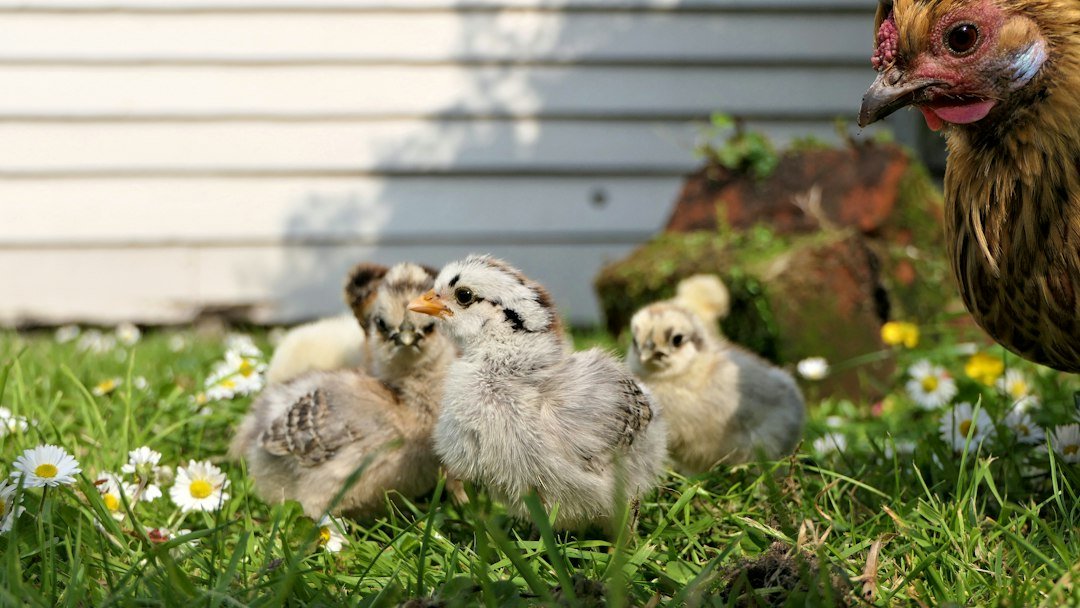
New Zealand’s poultry and egg industry employs people to care for birds, collect and grade eggs, clean sheds, monitor equipment, maintain strict hygiene and support the daily operation of commercial farms. For job seekers in Nigeria and other countries, these positions may offer a practical route into New Zealand’s agricultural workforce.
However, applicants must distinguish genuine employment opportunities from exaggerated social media advertisements. A headline advertising an NZ$85,000 farm assistant job requires careful explanation.
NZ$85,000 is approximately NZ$40.87 per hour when calculated across 40 hours per week for 52 weeks. This may be higher than the basic salary offered for many entry-level poultry roles.
A worker might approach NZ$85,000 annually through a senior position, supervisory duties, overtime, allowances, accommodation benefits or long and irregular shifts. The exact amount depends on the employer and the written employment agreement. It should not be presented as an automatic salary for every farm assistant.
This guide explains the duties of poultry and egg production assistants, how salaries may be structured, the skills employers may require and how international applicants can pursue genuine opportunities through New Zealand’s Accredited Employer Work Visa.
It also covers application documents, interview preparation and the warning signs of recruitment fraud.
What Does a Poultry and Egg Farm Assistant Do?
A poultry farm assistant supports the health, welfare and productivity of chickens raised for meat or egg production.
The position may be based on a layer farm, breeder farm, hatchery, pullet-rearing unit or broiler operation. The work is practical, repetitive and carefully controlled because poor hygiene, disease, heat stress or equipment failure can affect thousands of birds quickly.
Typical duties may include:
- Checking birds for signs of illness or injury
- Monitoring feed and water systems
- Collecting eggs
- Removing damaged or dirty eggs
- Grading and packing eggs
- Cleaning poultry sheds and equipment
- Recording production figures
- Monitoring temperature and ventilation
- Controlling pests
- Following farm biosecurity procedures
- Reporting equipment faults
- Supporting animal-welfare procedures
- Preparing products for storage or dispatch
On automated poultry farms, assistants may inspect conveyor belts, nesting systems, lighting, ventilation fans, alarms and climate-control equipment. Workers are usually expected to report faults instead of attempting technical repairs outside their training.
Egg-production workers may grade, pack and label eggs before they are placed in storage or prepared for dispatch. Accuracy is important because farms track egg numbers, bird mortality, feed consumption, temperature, lighting and other production indicators.
Incorrect or missing records can make it more difficult for supervisors to identify flock-health or production problems.
Animal welfare is another important part of the job. Workers must handle birds calmly, recognise unusual behaviour and follow the farm’s procedures for sick or injured animals.
New Zealand maintains formal animal-welfare standards and codes. Employers should therefore provide appropriate training for every duty assigned to a worker.
Applicants should expect early mornings, weekends, public holidays and rostered shifts. Birds require care every day, including during holidays.
The working environment may include dust, feathers, odour, noise, cleaning chemicals and changing temperatures. Protective clothing, masks, gloves and specialised footwear may be required.
Movement between controlled areas may also require washing, changing clothes or disinfecting footwear to reduce the risk of spreading disease.
Can a Farm Assistant Really Earn NZ$85,000?
NZ$85,000 should be treated as an upper-end possibility rather than a standard salary for every poultry farm assistant.
The best way to assess any salary advertisement is to convert the annual amount into an hourly rate and compare it with the guaranteed working hours in the employment agreement.
At 40 hours per week, NZ$85,000 equals approximately NZ$40.87 per hour before tax.
At 50 hours every week, the average would be approximately NZ$32.69 per hour. However, the employment agreement should clearly explain how ordinary hours and overtime are calculated and paid.
A salary package may also include non-cash benefits. For example, employer-provided accommodation could be included in the advertised value of the package.
Applicants should ask whether rent, electricity, transport, internet or meals will be deducted from their wages.
An advertisement that combines salary, overtime and the estimated value of accommodation may make the cash salary appear much larger than it is. Only a detailed written employment agreement can show what the worker is guaranteed to receive.
Experience can also increase a worker’s earning potential.
A person who supervises employees, manages production records, operates specialised equipment, responds to alarms, administers approved flock treatments or coordinates biosecurity procedures may earn more than a new farm assistant.
Nevertheless, the job title, salary and responsibilities should agree with one another. An employer should not describe an entry-level position as a management role merely to make the offer appear more attractive.
As of 1 April 2026, New Zealand’s adult minimum wage is NZ$23.95 per hour. At 40 hours per week for 52 weeks, that would produce approximately NZ$49,816 before tax.
This calculation does not establish the normal market salary for poultry work. It simply demonstrates why applicants should not assume that every entry-level farm assistant will automatically earn NZ$85,000.
Applicants should always check the current minimum wage on the official Employment New Zealand website because wage rates can change.
Questions to Ask About the Salary
Before accepting an offer, ask the employer the following questions:
- Is the NZ$85,000 figure a guaranteed base salary or the maximum possible package?
- What is the ordinary hourly rate?
- How many working hours are guaranteed each week?
- How is overtime calculated?
- Are night, weekend and public-holiday shifts paid differently?
- Does the advertised amount include bonuses?
- Does the salary package include accommodation, meals or transportation?
- What deductions will appear on each payslip?
- Is the position permanent, temporary, fixed term or seasonal?
- What happens to the worker’s pay if fewer hours become available?
- How frequently will wages be paid?
- Is annual leave included in the stated amount?
Do not rely on verbal answers alone. Important salary and employment conditions should appear in the written agreement.
Skills and Personal Qualities Employers May Seek
Many farm assistant vacancies value reliability, physical fitness, attention to detail and willingness to follow instructions.
Direct poultry experience can be helpful because it shows that an applicant understands animal handling, hygiene, mortality recording and the discipline required on a commercial farm.
Useful experience may come from:
- Poultry farms
- Egg-production facilities
- Hatcheries
- Feed mills
- Egg-grading facilities
- Livestock farms
- Veterinary support roles
- Agricultural training programmes
- Food-production facilities
- Farm-equipment operations
Nigerian applicants should document informal farm experience carefully.
Simply claiming experience on a CV may not satisfy an employer or Immigration New Zealand. A stronger application may include an employer’s reference letter supported by payslips, tax records, employment contracts, bank records or other independently verifiable documents.
Good spoken and written English may be required for workplace safety, record keeping and immigration purposes.
Workers need to understand instructions, chemical labels, equipment warnings, emergency procedures and animal-welfare requirements.
A driving licence can also be useful because many farms are located outside major cities, where public transportation may be limited.
Employers may prefer candidates who can:
- Work early, late or rostered shifts
- Use basic digital record systems
- Lift and carry supplies safely
- Follow hygiene and biosecurity procedures
- Notice changes in animal behaviour
- Remain calm around birds
- Work independently when necessary
- Communicate problems quickly
- Follow detailed safety instructions
- Work effectively as part of a team
Applicants should disclose relevant allergies, respiratory limitations or physical restrictions honestly. Poultry facilities can contain dust, feathers and cleaning products that may affect some workers.
Visa Route for International Applicants
A common employer-sponsored route is the Accredited Employer Work Visa, usually called the AEWV.
Immigration New Zealand states that an applicant must have an offer of full-time employment from an accredited employer. The employer must also have approval to recruit a migrant for the position.
The employer sends the successful worker a unique link to the online visa application.
An eligible job offer must generally:
- Come from an accredited employer
- Be current when the worker applies
- Provide at least 30 working hours per week
- Meet the applicable pay requirements
- Comply with New Zealand employment law
- Have an approved job check
- Include a written employment agreement
- Clearly describe the position and responsibilities
The AEWV is normally connected to the employer, job and location stated in the visa conditions.
A worker who wants to change employer, occupation or location may need to apply for a Job Change, a variation of visa conditions or a new visa.
Applicants should not assume that an employer-sponsored visa gives them unrestricted permission to work for any company in New Zealand.
Minimum Skills and Experience
Under Immigration New Zealand’s current AEWV rules, most applicants must demonstrate either:
- At least two years of relevant work experience; or
- A qualification at level 4 or higher on the New Zealand Qualifications and Credentials Framework.
Exceptions may apply in certain circumstances.
The applicant’s experience or qualification should be connected to the job being offered. A person relying on work experience should provide credible and independently verifiable evidence.
A CV alone is not considered sufficient evidence of employment experience.
Immigration New Zealand may consider evidence such as:
- Certificates of employment
- Payslips
- Tax certificates
- Employment contracts
- Employer reference letters supported by other documents
- Bank records showing salary payments
- Documents showing the hours worked
- Relevant professional or training certificates
Applicants should never create false work records or pay someone to manufacture employment evidence. Immigration authorities may contact employers and verify submitted documents.
English Requirements
English-language evidence may be required depending on the recognised skill level of the occupation.
Applicants may be able to demonstrate their English ability through their citizenship, education or an approved English-language test. The exact requirements depend on the immigration rules applying to the position.
Do not assume that every applicant must take IELTS or that no test will be required. Check the current AEWV English requirements on Immigration New Zealand’s official website.
Visa Length
The length of an AEWV depends on factors including the occupation’s skill classification, the worker’s salary and the immigration rules applying at the time of the application.
Some lower-skilled positions may have a shorter maximum continuous stay than higher-skilled occupations.
A poultry farm assistant job should not automatically be advertised as a direct pathway to permanent residence.
Residence eligibility is separate. It depends on the occupation, salary, recognised residence pathway, immigration rules and the applicant’s personal circumstances.
An employer can offer a genuine temporary position without being able to guarantee permanent residence.
Visa Cost and Processing Time
At the time this guide was prepared, Immigration New Zealand displayed an AEWV application cost starting from NZ$1,540.
It also indicated that 80 percent of AEWV applications were processed within eight weeks.
These figures can change. They are not a promise that every application will be completed within eight weeks, and paying the application fee does not guarantee approval.
Always check the current fee and processing information directly on the Immigration New Zealand website.
Documents You May Need
An AEWV application may require:
- A valid passport
- An acceptable digital photograph
- A signed New Zealand job offer
- A complete employment agreement
- A detailed job description
- Evidence of relevant work experience
- Copies of relevant qualifications
- A New Zealand qualification assessment where required
- Evidence of English-language ability where required
- Police certificates where required
- Medical information
- A chest X-ray where required
- Certified English translations of documents not written in English
Police certificates and medical documents may have validity periods. Do not obtain expensive documents too early without checking the current requirements.
How Nigerians Can Prepare a Strong Application
Build Verifiable Experience
Collect evidence of your employment before contacting foreign employers.
Ask current and previous employers for reference letters written on official company letterhead. Each letter should include:
- Your job title
- Your employment dates
- Your working hours
- Your main responsibilities
- The employer’s address
- The employer’s contact information
- The name and position of the person signing the letter
Preserve payslips, employment contracts, pension records, tax records and bank statements that legitimately support your work history.
Where possible, gain direct experience in poultry production rather than presenting unrelated general labour as specialised poultry experience.
Learn about flock observation, egg collection, shed cleaning, record keeping, personal protective equipment and farm biosecurity.
Formal agricultural or animal-care training may strengthen your application, but it does not replace the need for a genuine job offer.
Write a Targeted CV
Your CV should be clear, honest and relevant to the vacancy.
Begin with a short professional profile describing your poultry, livestock or agricultural experience. List your employment history in reverse chronological order, beginning with your most recent position.
Use specific achievements where they are accurate.
For example, you might state:
- The approximate number of birds you cared for
- The number of eggs collected or processed
- The production records you maintained
- The cleaning schedules you followed
- The equipment you inspected
- The number of workers you supported or supervised
Include relevant licences, safety training, animal-handling experience and availability for rostered work.
Avoid unnecessary personal details such as your religion, age or marital status unless there is a lawful and relevant reason for the employer to request them.
Do not claim that you already have New Zealand work rights when you require sponsorship. State your immigration position accurately.
Search Through Reliable Channels
Search for vacancies through established New Zealand job platforms, official employer career pages and reputable recruitment agencies.
Relevant job titles may include:
- Poultry farm assistant
- Poultry worker
- Egg collection worker
- Egg grading assistant
- Hatchery assistant
- Poultry shed worker
- Livestock worker
- Farm hand
- Farm labourer
- Poultry production assistant
Read every job advertisement carefully. Positions with similar names can have different responsibilities, salaries and immigration classifications.
Before relying on an employer’s sponsorship claim, check the business’s legal name against Immigration New Zealand’s official accredited employer list.
Accreditation alone does not prove that every message using the company’s name is genuine. It also does not mean that the employer has approval to sponsor every advertised vacancy.
Contact the company through the contact information published on its official website. Do not rely only on a telephone number supplied by an unknown recruiter.
Prepare for the Interview
Expect questions about:
- Early shifts
- Weekend availability
- Repetitive tasks
- Animal welfare
- Disease prevention
- Biosecurity
- Production records
- Workplace safety
- Rural living
- Responding to equipment problems
Provide examples from your genuine work experience.
You may be asked how you would report a sick bird, respond to a broken water line, prevent contamination between poultry sheds or deal with instructions you do not understand.
You should also ask the employer questions.
Find out about:
- The exact farm location
- The working roster
- Guaranteed hours
- Transportation
- Protective equipment
- Training
- Accommodation
- Salary deductions
- Pay frequency
- Probation arrangements
- The person who will supervise you
A professional employer should be willing to explain the job and provide a complete written agreement before the visa application.
Understanding the Employment Agreement
Do not travel based only on a WhatsApp message, verbal promise or short appointment letter.
Immigration New Zealand requires AEWV applicants to provide a job offer, job description and employment agreement.
The employment agreement should identify:
- The employer
- The employee
- The job title
- The workplace
- The employee’s duties
- Working hours
- Pay
- Required qualifications or experience
- Employment conditions
- The length of the position where applicable
Read all clauses relating to deductions, accommodation, notice periods, leave, overtime, transportation and ending the employment relationship.
Calculate your expected weekly gross salary using the guaranteed hours and hourly rate.
Ask for clarification if the salary is described as “up to” a particular amount. The difference between guaranteed salary and possible earnings can be significant.
Immigration New Zealand states that New Zealand employers or their agents cannot charge a worker for a job or make the worker pay the employer’s recruitment costs.
Anyone demanding money to secure an offer, sponsorship certificate or employer allocation should be treated with extreme caution.
Legitimate visa application fees and personal document expenses are different from paying someone to purchase a job.
How to Identify Poultry Job Scams
Relocation job seekers are frequently targeted with copied company logos, fake contracts and invented immigration documents.
Scammers often create urgency, advertise unusually high salaries for applicants with no experience and request payment through personal bank accounts, cryptocurrency or money-transfer services.
Check the recruiter’s email address. A genuine company may use its official business domain rather than a free email service, although an official-looking domain is not proof by itself.
Investigate the company’s registration information, website, address and public telephone number.
Call the employer independently and ask whether the named recruiter and vacancy are genuine.
Be suspicious if:
- There is no proper interview
- The recruiter refuses to participate in a video call
- The responsibilities are vague
- The salary is far higher than comparable jobs
- Documents contain inconsistent names
- The recruiter uses poor-quality or copied documents
- You are pressured to make an immediate payment
- The recruiter asks for cryptocurrency
- You are told that visa approval is guaranteed
- You are instructed to submit false experience
Never send passport scans, bank information, police certificates or other sensitive documents to an unverified contact. These documents could be used for identity theft.
Major Warning Signs
Watch for the following warning signs:
- A guaranteed visa or permanent residence promise
- Payment requested in exchange for a job offer
- Payment requested for employer sponsorship
- An NZ$85,000 salary promised to every applicant
- No interview before receiving an offer
- Communication taking place only through WhatsApp or another messaging app
- Pressure to pay before verifying the employer
- A contract that does not state the hourly rate
- No guaranteed weekly hours
- No identifiable workplace address
- Requests to send money to an individual
- Instructions to provide false qualifications or employment records
- Requests to surrender your passport to an employer or recruiter
Working Conditions and Rural Life
New Zealand farm work can be rewarding, but applicants must prepare for its location and routine.
Some poultry farms are located far from supermarkets, hospitals and public transportation. Workers may require a car, bicycle or shared transportation.
Before accepting employer-provided accommodation, request:
- The complete address
- Current photographs
- The weekly rent
- Electricity costs
- Transportation costs
- Occupancy rules
- Information about shared rooms
- Details of salary deductions
New Zealand’s weather varies by region and season. Poultry sheds may remain warm even when temperatures outside are low.
Workers should understand their employer’s health and safety procedures and use the required protective equipment.
Report injuries, breathing problems, chemical exposure and unsafe equipment promptly.
Migrant workers have employment rights in New Zealand.
Keep copies of your:
- Signed employment agreement
- Visa
- Work roster
- Timesheets
- Payslips
- Salary records
- Communications concerning working hours
- Records of deductions
Do not surrender your passport to an employer for storage.
If a workplace appears exploitative, obtain information from Employment New Zealand or another authorised support service. Do not depend only on the recruiter who arranged the job.
Frequently Asked Questions
Is NZ$85,000 guaranteed for a poultry farm assistant?
No. Treat NZ$85,000 as a possible upper-end amount unless a verified employment agreement clearly guarantees that base salary.
Entry-level offers may be considerably lower. Ask for the hourly rate, guaranteed hours, overtime conditions and details of every included benefit.
Can I apply from Nigeria?
Yes, you may apply for genuine vacancies from Nigeria.
However, an AEWV application normally begins only after an accredited employer offers you eligible full-time employment and sends you the official application link.
Applying for random positions does not automatically create visa eligibility.
Do I need poultry experience?
The employer establishes the requirements for its vacancy, while immigration rules also require evidence of appropriate skills, experience or qualifications.
Under current AEWV settings, most applicants must show at least two years of relevant experience or an eligible level 4 or higher qualification unless an exception applies.
Do I need IELTS?
English requirements depend on the recognised occupational skill level and how the applicant qualifies.
Immigration New Zealand accepts specified methods of demonstrating English ability. Check the current AEWV English rules rather than assuming that every applicant must take the same examination.
Can the employer charge me for sponsorship?
Immigration New Zealand states that employers or agents cannot charge workers for a job or make workers pay the employer’s recruitment costs.
Do not purchase a job offer or send money to a personal account for sponsorship.
Will the job lead directly to permanent residence?
Not automatically.
The AEWV is a temporary work visa. A future residence option depends on the occupation, salary, recognised immigration pathway, rules in effect at the time and the applicant’s circumstances.
Where Should I Apply?
Use established job platforms, official employer career pages and verified recruitment agencies.
Confirm that the employer appears on Immigration New Zealand’s accredited employer list. Contact the company independently before sending sensitive documents.
Final Advice
Poultry and egg production can provide genuine employment opportunities in New Zealand, particularly for applicants who understand animal care, hygiene, record keeping and demanding shift work.
A strong applicant combines relevant experience with verifiable evidence and a targeted CV.
The NZ$85,000 figure should remain qualified as “up to” unless it refers to a specific, verified vacancy offering that guaranteed salary in writing.
Applicants should judge an opportunity using the hourly rate, guaranteed hours, lawful deductions, employer accreditation and visa requirements.
Before applying, verify the vacancy, check the employer’s accreditation, read the complete employment agreement and confirm the latest immigration rules.
Never pay anyone to manufacture experience or sell you a job offer. Genuine relocation begins with a genuine position and accurate information.
Disclaimer
This article provides general information and is not immigration, legal, tax or recruitment advice. Immigration requirements, visa fees, wage rates and processing times can change.
Confirm current information with the relevant New Zealand authority and obtain professional advice where necessary.